
Future Africa
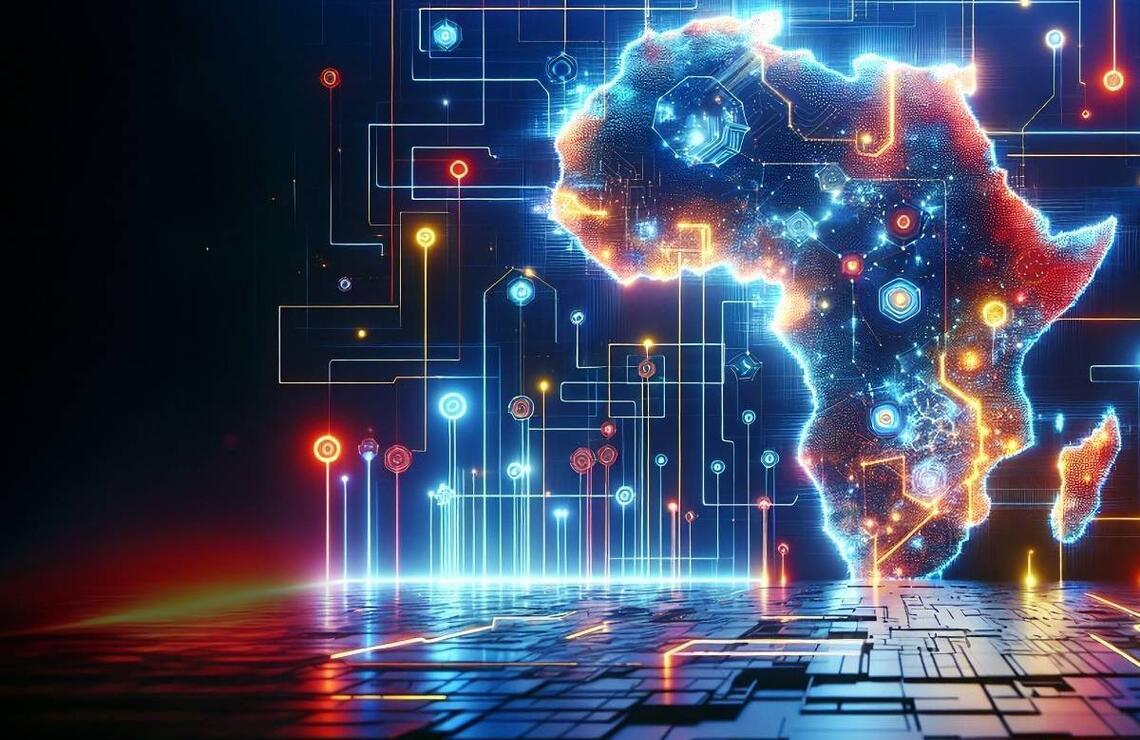 SHUTTERSTOCK/AI GENERATOR
They are researchers, developers, coders and entrepreneurs. They are designing new models and building solutions for healthcare, agriculture, digital networks and energy. They share a common ambition: to create an artificial intelligence for Africa—one that speaks its languages, understands its realities and responds to its challenges. Above all, they refuse to let the continent remain a spectator in the technological revolution.





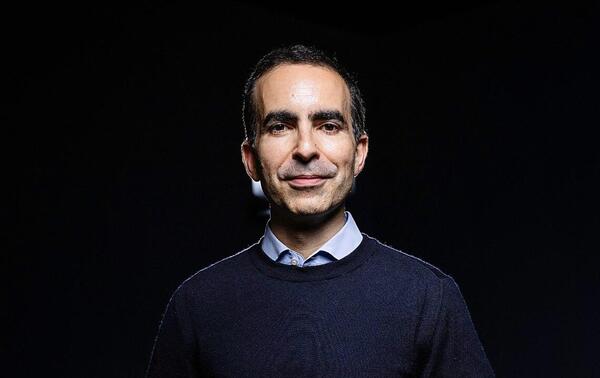
Together with his friend Zohra Slim, Karim Beguir founded InstaDeep in 2015, one of the pioneering companies in artificial intelligence. The Tunisian startup gained international recognition during the COVID-19 pandemic through its AI-powered system for detecting new variants of the virus.
Artificial intelligence is spreading rapidly across Africa, particularly through applications that support smallholder farmers. Yet these tools remain out of reach for millions of people who speak neither English nor French.
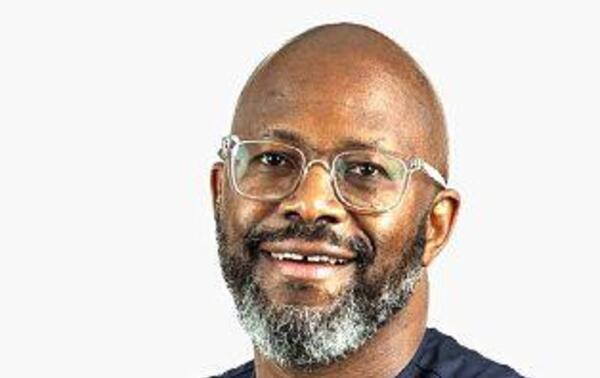
The Zimbabwean head of MTN, the continent’s leading mobile operator, has announced talks with the giants of tech and AI to build data-processing centres in Africa, whose capacity would then be leased to African companies and governments.
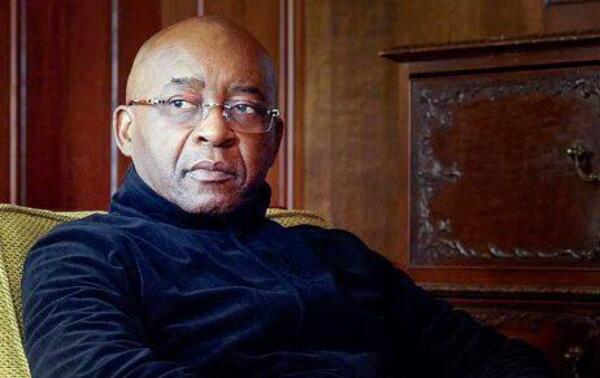
Lacina Koné, Director General of the Smart Africa Alliance—an organisation launched by Paul Kagame in 2013 to accelerate Africa’s digital economy and now bringing together 42 member states—announced last November the creation of the African AI Council, with the support of the African Energy Commission (AFREC) and the International Telecommunication Union (ITU).
Pelonomi Moiloa, co-founder of the South African research lab Lelapa AI, is on a mission to decolonise technology. Her
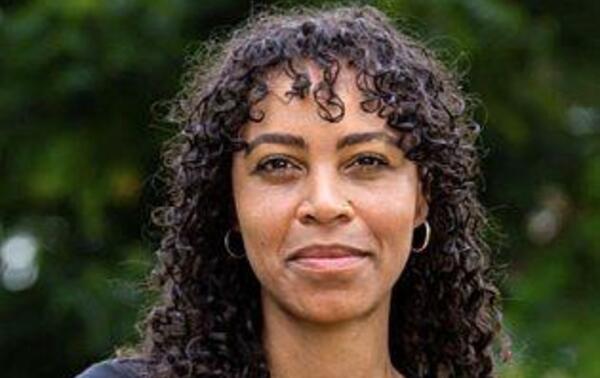
Pelonomi Moiloa, co-founder of the South African research lab Lelapa AI, is on a mission to decolonise technology.
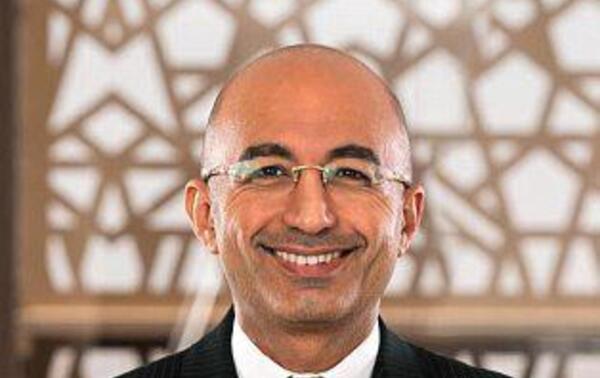
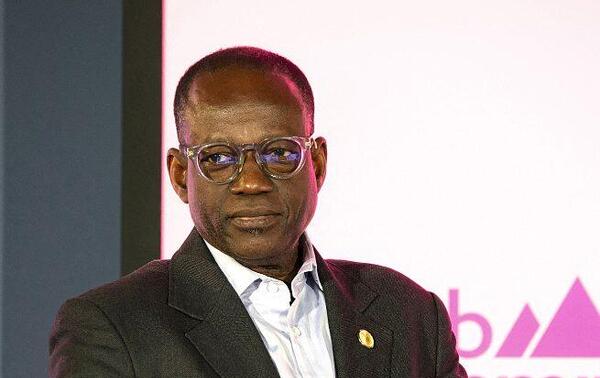
“Orange is positioning itself as a key player in the linguistic enrichment of AI in Africa,” says Yasser Shaker, Chief Executive Officer of Orange Africa & Middle East (OMEA).
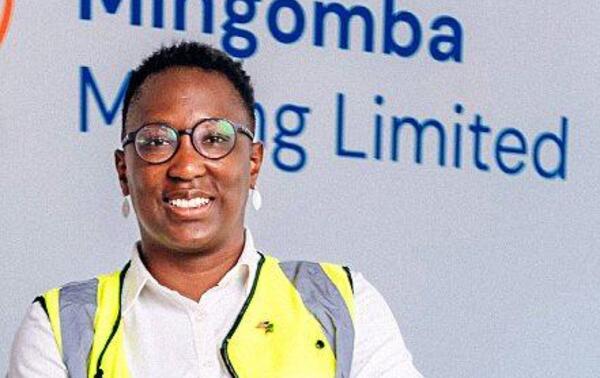
As Managing Director of KoBold Metals Africa, Mfikeyi Makayi has led the American company’s mineral exploration operations across Zambia, her home country, as well as the Democratic Republic of the Congo, Namibia, and Botswana.
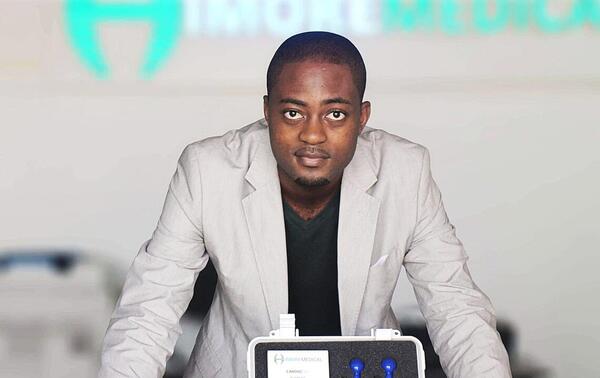
In 2009, a 21-year-old Cameroonian computer scientist confronted a simple but urgent reality: Africa had far too few cardiologists. His solution was to bring the consultation to the patient.