
South Africa
The rainbow nation in turmoil
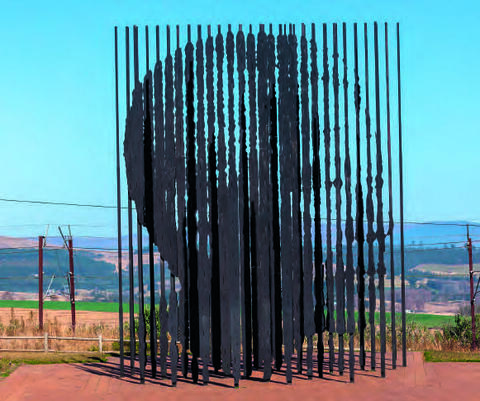
Three decades after the end of apartheid, South Africa is in deep crisis, plagued by power outages, corruption, poor governance, crime and other scourges. And yet the African National Congress (ANC), which will almost certainly remain in power for the foreseeable future because of demographics and the fragmentation of the opposition, seems frozen in time.
Its political and administrative apparatus is incapable of meeting the challenges facing the continent's leading industrial power: drought and floods (climate change is making them worse), poor housing, unemployment, anti-immigrant xenophobia, an energy crisis (inefficient, polluting coal-fired power plants), agrarian concentration (two-thirds of the land belongs to a few thousand descendants of settlers) and a lack of economic growth. Yet South Africa still embodies the universal struggle against racism and for human dignity personified by Nelson Mandela (freed after twenty-seven years of unjust imprisonment without ever having expressed an iota of hatred). Against all odds, the aura of his dream of a rainbow nation still shines. South Africa continues to attract investors, tourists, talent, students and international conferences. It remains Africa’s second-most innovative country behind Mauritius, according to the 2022 Global Innovation Index, and a global leader in scientific research (as seen during the Covid-19 pandemic). Geopolitically, the nation seeks to walk an independent line while remaining faithful to its old allies in the struggle against apartheid, despite the West’s displeasure: unwavering support for the Palestinian people and closeness to Moscow (refusal to condemn the invasion of Ukraine, joint naval maneuvers with Russia and China).