Fonio, baobab and the case for Africa’s own superfoods
Fonio, baobab, moringa, ginger, millet, sorghum… These are the famous “superfoods.” With their exceptional nutritional density and high concentrations of vitamins, minerals and antioxidants, they offer a genuine alternative when it comes to food sovereignty — provided production and distribution networks are modernised.
We have never heard so much about them: quinoa, chia seeds, açai, goji berries, psyllium… Growing awareness of the impact of food on health is creating ever greater demand for gluten-free, low-glycaemic-index grains, fruits packed with vitamin C and iron-rich vegetables. As the agri-food industry becomes increasingly industrialised and processed foods proliferate, inflammatory reactions are becoming more common. The dietary-supplement market is booming, as is demand for superfoods. We bring in from far away products that have benefits for people, despite their considerable carbon footprint. They are referred to as superfoods because of their exceptional nutritional density and high concentrations of vitamins, minerals, antioxidants and proteins. The term is largely a marketing one, but it is rooted in a measurable reality: these foods offer considerably greater nutritional value per serving than many other foods.
Some of these edible treasures grow on African soil, although some remain relatively overlooked, demonstrating resilience and adaptability. Rediscovering the virtues of ingredients that were essential to traditional recipes makes it possible to reclaim a local cuisine that is compatible with ecosystems, adapted to agricultural conditions and beneficial to the nutritional needs associated with different geographical regions.
Temperatures are rising, rainfall is becoming unpredictable, soils are becoming depleted… Climate change is here, and nearly 40 million people are at risk of food insecurity in West Africa and the Sahel. It is therefore more important than ever to identify crops that have a positive environmental impact and possess resilience and adaptability — qualities shaped over thousands of years by changing seasons. What if these crops were precisely those with extraordinary potential to combat malnutrition, chronic diseases and the demands of increasingly urbanised lifestyles? One coincidence deserves attention: the crops that require the fewest resources are often also the most nutritious.
“Moringa grows in our villages. Fonio feeds entire generations. The baobab is a pharmacy unto itself. But no one gave them a fancy label, so we forgot about them,” summarises Cheikh Niang, a chef and content creator, in his e-book on the subject.
A virtuous superfood should above all be locally available and address local health needs while having a positive impact on living ecosystems.
CROPS BUILT FOR THE CLIMATE
One example is a grain traditionally reserved for feast days: fonio. Tiny in size, it requires considerable manual preparation, making its consumption a special occasion. Cultivated for thousands of years across the region stretching from Senegal to Chad, it is one of the fastest-growing grains and can be harvested just six to eight weeks after sowing. In some semi-arid areas of the Sahel, it can even help communities navigate the lean season — the period when the previous year’s food reserves have been depleted — with greater security. Fonio also grows easily in poor soils, without irrigation or chemical inputs. Its rapid growth allows it to escape drought conditions.
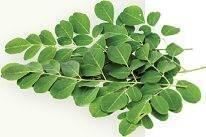
Moringa, meanwhile, is said to have the capacity to absorb up to 20 times more carbon than other common plants. Originally from India, the tree now grows throughout the Sahel. It adapts relatively easily to garden ecosystems, requires less water than many other crops and has a distinctive taproot that extends deep into the soil to access water reserves and prevent the tree from shedding its leaves during the dry season. It is precisely these leaves that concentrate the nutrients.
Afforestation projects such as MAMA Africa, in Zimbabwe, South Africa and Malawi, have already resulted in the planting of 16 million moringa trees. In Côte d’Ivoire, the variety is already well established, particularly in the northern and central parts of the country, where the tropical climate suits it perfectly. It can be found on private plantations as well as in family gardens on the outskirts of cities such as Abidjan.
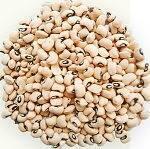
Many other local crops deserve to be developed again, including combinations of millet or sorghum with cowpeas. These cereals can grow without intensive ploughing, and “the beans, when grown as a companion crop, fix nitrogen to enrich the soil without chemical fertiliser,” explains Amélie N’Zé, a naturopath. Moreover, we now know that combining a whole grain with a legume provides an excellent source of protein, helping us better understand the complementarity that traditional farming systems have exploited for generations.
“FOODS AS MEDICINE” TAILORED TO HEALTH NEEDS
These ancient crops, remarkable for their climate resilience, also address contemporary health challenges. In societies experiencing rapid urbanisation, exponential increases in sugar and processed-food consumption, and more sedentary lifestyles, the consequences are measurable: rising rates of type 2 diabetes, increasing obesity, and a notable growth in allergies and chronic diseases.
Against this backdrop, the foods discussed above — beginning with moringa and baobab, whose nutritional benefits are particularly compelling — deserve closer attention.
Moringa is a source of plant protein, as well as iron, vitamin C and calcium, in particularly significant amounts. “Everything about this tree is a blessing,” says Amélie N’Zé. Ethiopian studies suggest that it may improve haemoglobin levels in anaemic young women, while in Burkina Faso it is used to help combat childhood malnutrition.
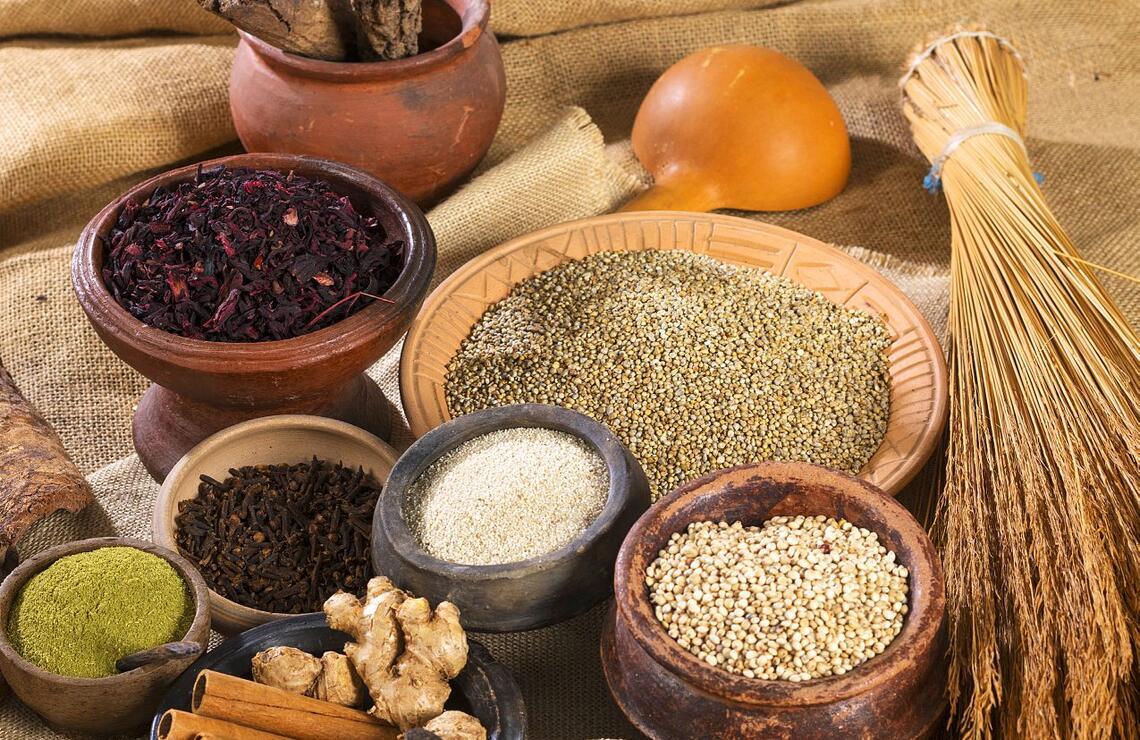
Baobab, meanwhile, can provide far more vitamin C than oranges, more antioxidants than grapes and more fibre than apples. It is a concentrated source of micronutrients in a fruit that can be stored for several months. Fonio, which is gluten-free, has a low glycaemic index. And bissap — the hibiscus infusion known as zobo in Nigeria and sobolo in Ghana — which is rich in polyphenols — powerful antioxidants — has the capacity to lower blood pressure.
“Populations that are highly exposed to the sun need antioxidants to combat free radicals,” explains Amélie N’Zé. “Bissap is a powerful antioxidant, and its benefits are multiplied when it is fermented.”
WHO BENEFITS FROM THIS REDISCOVERY?
These superfoods, which are gaining international visibility, are already undergoing a process of development and formalisation in some places. In Ghana, the Fulani Kitchen Foundation trains women to grow fonio in arid areas. In Mali, Yolélé helps thousands of smallholder farmers mechanise processing and gain access to markets. In Zimbabwe, women who harvest baobab sell the fruit to local processors.
In Côte d’Ivoire, in Tiassalé, Swiss Tropical Fruit CI, under the Fredy’s brand, has already developed a fully fledged supply chain: plantations, a certified organic processing plant and a range of products, from tea to powder. According to a 2023 report by the Netherlands Enterprise Agency (RVO), the company now accounts for more than 50% of Côte d’Ivoire’s moringa market. Its products are sold in pharmacies and health stores, supermarkets, spas and online, reaching an urban local clientele concerned with consuming natural, locally produced goods.
FOOD SOVEREIGNTY: BREAKING FREE FROM DEPENDENCE
Africa spends around $35 billion a year on food imports, a considerable share of which goes towards rice and wheat — grains that either do not grow or grow only marginally on the continent, yet have become deeply embedded in urban diets through white bread and processed foods. Africa now accounts for one-third of global imports of these two grains, a dependence that leaves the continent vulnerable to geopolitical crises and price spikes.
Yet Africa already produces nearly half of the world’s sorghum and millet, while fonio grows in places where wheat would not survive. Reviving these crops could enable the continent to regain control of the value chain, strengthen food sovereignty and retain on the continent the added value that currently leaves every year in the holds of cargo ships.
But these crops will only become established in local urban lifestyles — and potentially around the world — if they are available in convenient formats adapted to consumers’ new habits. No one has four hours to spend hand-processing fonio, which is precisely why parboiled rice, pasta and wheat bread have gained ground.
The answer lies in local processing: precooked flours, ready-to-use semolina, packaged baobab powder, bottled bissap and many other products. Without processing facilities on the continent, urban demand will continue to favour imported products that are already ready to use, and the added value will be captured elsewhere — particularly in Asian or European factories rather than by SMEs in Dakar, Abidjan or Ouagadougou.
FROM FARM TO BRAND
The challenge therefore goes beyond agriculture and commerce. The task now is to restore and preserve a food heritage — enabling people to reconnect with foods that have been displaced by wheat and rice, while first and foremost benefiting from their potential health and wellness benefits and positive environmental impact.
Before this food revolution leads to exports, it must take root locally: in school canteens, restaurants in major cities and modern family kitchens. It requires chefs who source locally, health practitioners who favour local superfoods over imported dietary supplements, and cooks who revive traditional recipes — such as a traditional okra sauce, which can first and foremost support healthy digestion.
Quinoa propelled Peru onto organic-food shelves around the world; matcha turned Japan into a global symbol of wellness. Imagine the same global reach for Senegal with baobab, Mali with fonio, or Côte d’Ivoire with moringa… Provided these countries do not remain suppliers of raw materials, but become creators of brands and master the chain to the very end.
20 SUB-SAHARAN AFRICAN SUPERFOODS Cereals and grains
Legumes
Leaves
Fruits and pulps
Plants
Spices
Oilseeds
|