
African modernism, from Abidjan to MoMA
The Museum of Modern Art (MoMA) in New York is tracing West African architects’ efforts to reclaim and redefine architecture in the years following independence in a major exhibition.
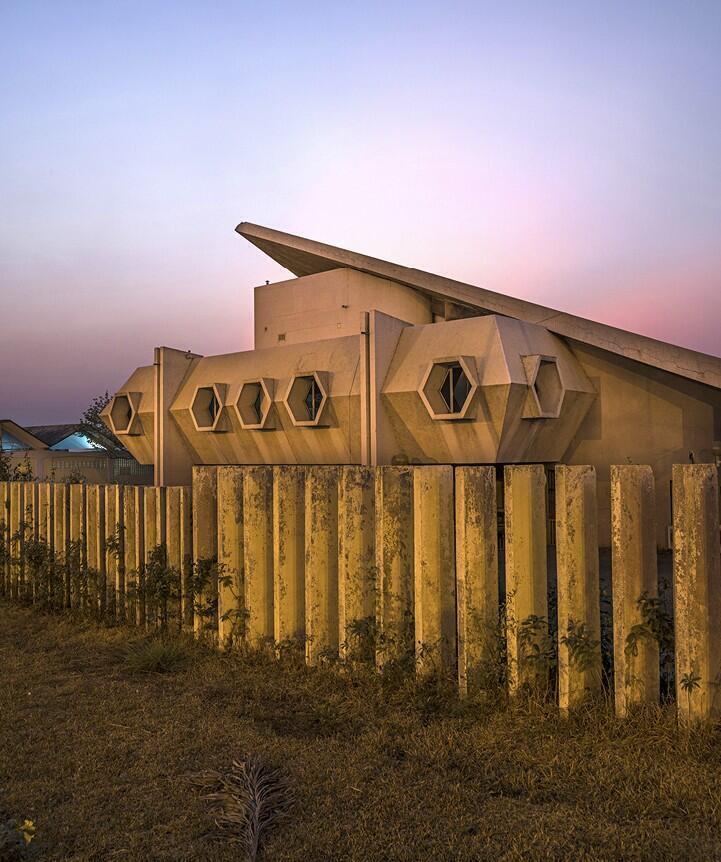
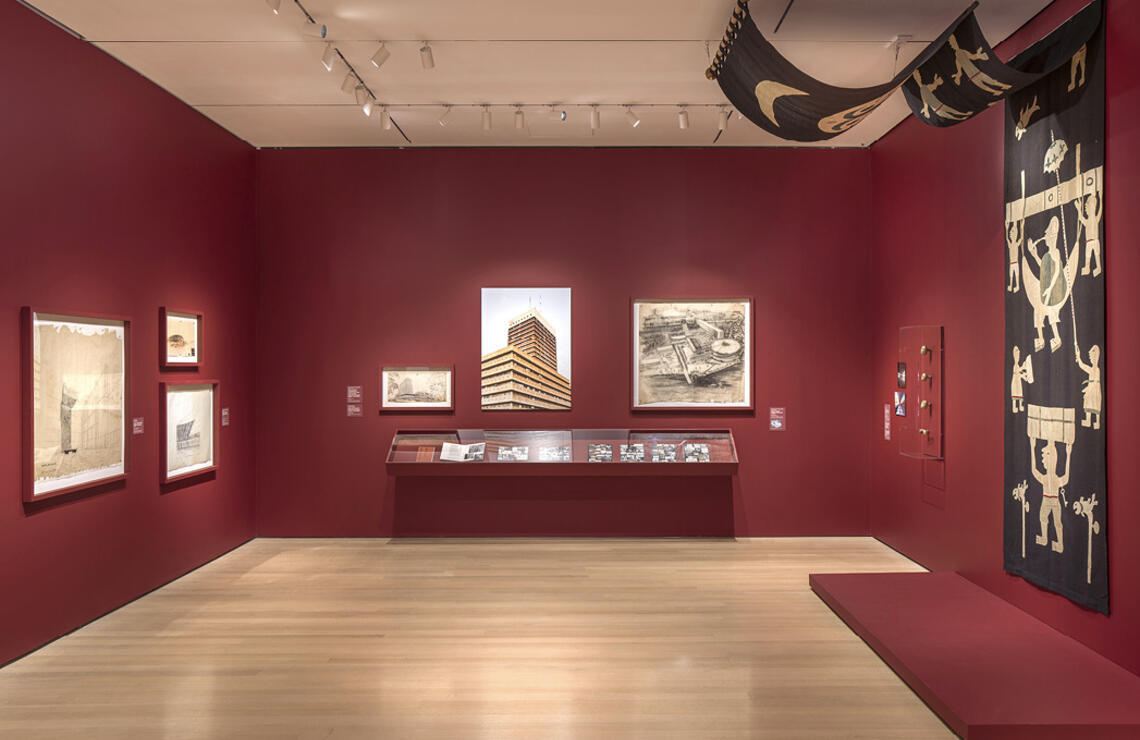
The Museum of Modern Art (MoMA) in New York is hosting the first major exhibition in the Americas devoted to West African architecture from the late 1950s to the early 1980s. Dedicated to the “architects of liberation,” it is the result of four years of field research and explores the relationship between modernism and aspirations for self-determination in Benin, Cameroon, Côte d’Ivoire, Ghana, Nigeria, Senegal and Togo.
At the time of independence, the creation of a new architectural identity was shaped by the ideals of Pan-Africanism and “cultural Africanisation,” breaking with colonial domination. The exhibition explores key themes of this building drive, from urban landscapes and education to housing, presenting around 450 objects—drawings, models and archival photographs—from more than 50 collections across 17 countries, as well as works produced specifically for the exhibition. It provides an opportunity to unveil previously unseen material, but above all to highlight the work of numerous architects who remain largely unknown.
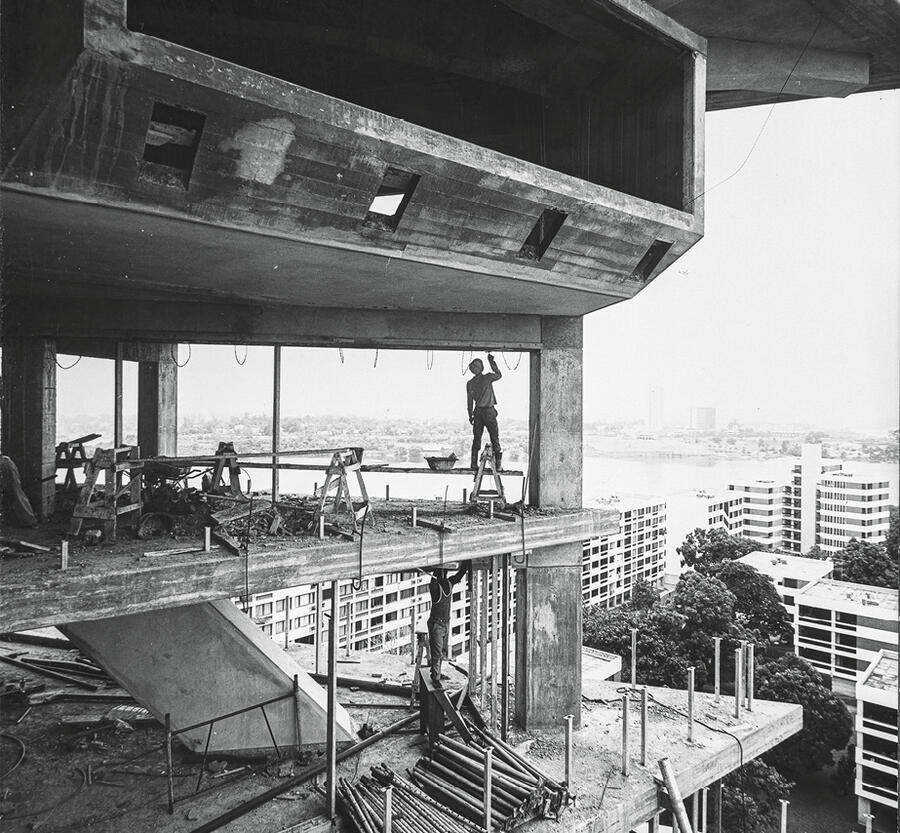
Their names appear here alongside iconic buildings: the auditorium of Mamie Adjoua High School in Yamoussoukro, designed by Ivorian architect Jean Léon; and Bessengué railway station in Cameroon, conceived by Jacques Nsangue Akwa and Emilien Douala Bell. Also featured are the bioclimatic projects of Nigerian architect Demas Nwoko and those of Cheikh Ngom, the first Senegalese architect to open his own practice in the country after independence. Not to mention the Pyramid of Abidjan, designed by Italian architect Rinaldo Olivieri, or CICES in Dakar — Senegal’s international trade fair complex — an emblematic example of the “asymmetrical parallelism” codified by Léopold Sédar Senghor, Senegal’s first president and a founding theorist of Négritude, which creates dynamic harmonies through diverse, non-repetitive elements. The work of non-African architects, from Yugoslavia (Zoran Bojovic), Italy, France (Henri Chomette) and elsewhere, completes the exhibition, highlighting the effort to adapt, adopt and reinvent the vocabulary of modernism.
« Architects of Liberation: Modernism in Western Africa », MoMA, New York (United States), until 2 January 2027. moma.org